We speculate that as trauma-related memories brought up during therapy may ptsd and alcohol abuse cause a release of endorphins and subsequent emotional numbing, this may interfere with the patient’s ability to engage in therapy fully. We also speculate that as endorphin levels decrease after the therapy session ends, endorphin withdrawal may lead to increased alcohol craving. Although alcohol use may temporarily relieve PTSD symptoms, alcohol withdrawal intensifies such symptoms. To avoid the increase in PTSD symptoms following a bout of drinking, the patient is caught in a vicious cycle in which he or she must continue to drink to avoid the unpleasant reaction following an alcoholic binge. An opioid antagonist such as a naltrexone would block the endorphin response and reduce the desire for alcohol.
Veterans Health Library
Regardless, relapse is common, and it is critical to consider the potential toxic interactions that may occur between the prescribed medication and alcohol. Given the high co-occurrence of alcohol and illicit drug use, potential toxic interactions between the prescribed medication and other substances of abuse must also be addressed. The pharmacological agent with the least abuse liability potential should be chosen for this population. Although benzodiazepines are effective in providing immediate relief of anxiety symptoms, they are generally not considered a first-line treatment for patients with alcohol dependence given the abuse potential of benzodiazepines. During the initial phase of treatment, when latency of onset of antidepressants is an issue, benzodiazepines may be considered as adjunctive medication. The amount of benzodiazepines prescribed to the patient should be limited, and the patient should be closely monitored for relapse or nonmedical use of benzodiazepines or other medications.
Childhood Trauma, Posttraumatic Stress Disorder, and Alcohol Dependence
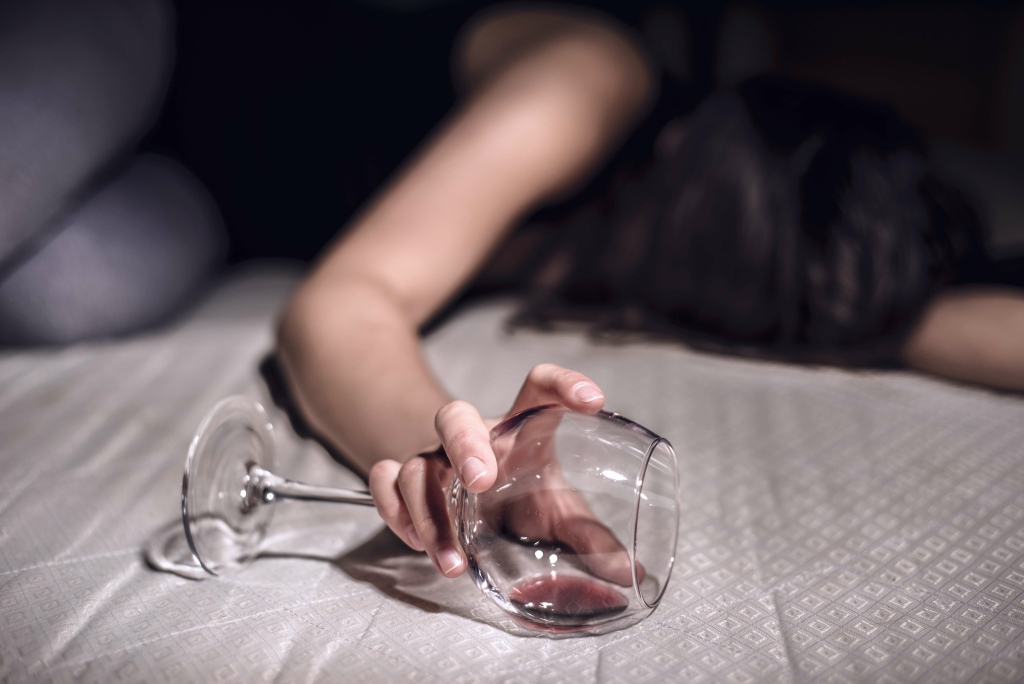
PTSD can affect anyone who has experienced or witnessed a traumatic event. While combat veterans are at high risk, survivors of accidents, natural disasters, and sexual assault are also at risk for developing PTSD. Without treatment for PTSD and alcohol abuse, a person can develop a destructive cycle of PTSD symptoms followed by drinking for relief of symptoms followed by increased PTSD symptoms and so on. Many people with post-traumatic stress disorder (PTSD) experience blackouts. PTSD-alcohol blackouts may include intense flashbacks, or they may involve a dissociation from reality. For people struggling with alcohol and PTSD, it’s clear that consuming alcohol does little to help them cope; instead, it only temporarily numbs traumatic memories.
The Relationship Between PTSD and Alcohol Abuse
When abstinent from alcohol, Margaret reported extremely vivid and disturbing nightmares, profound agitation and jumpiness, and acute reactivity to a variety of environmental cues that reminded her of her traumatic experiences. For many individuals with PTSD, alcohol as a coping mechanism becomes a learned response to stress and trauma-related triggers. Rather than confronting painful memories and alcoholism symptoms emotions, alcohol provides a temporary escape. Unfortunately, this avoidance strategy prevents true healing and often leads to greater struggles with alcohol dependence. While drinking may seem to dull the pain, it ultimately reinforces a pattern of avoidance that prevents individuals from developing healthy coping skills.
- By understanding how PTSD affects behavior and its link to substance abuse, individuals and their loved ones can better navigate the path to healing.
- Jan is also afraid but manages to keep her wits, and recalling one of the strategies she just learned in the class, she throws her pocketbook past the gunman down the street.
- If you went through one or more traumatic events and have symptoms for a month or more, you may have PTSD.
- Post-traumatic stress disorder (PTSD) and alcohol use too often go hand-in-hand.
- Alcohol is a depressant, which means it can exacerbate PTSD symptoms such as anxiety and depression.
Get help from Veterans Crisis Line
The neurobiological changes caused by PTSD can make individuals more susceptible to alcohol dependency, as alcohol temporarily reduces anxiety and emotional pain. We collect blood from all clinical trial participants before and after randomization. Researchers use Simoa® and enzyme-linked immunosorbent assays to determine blood concentrations of molecules belonging to pathways involved in stress response and alcohol reinforcing and motivational actions. The current study examined the associations among PTSD symptom severity, alcohol use to down-regulate both negative (i.e., despondency and anger) and positive emotions, and alcohol misuse. Joining a peer group keeps you connected to others who understand PTSD and alcohol struggles.
Recognizing Signs of Co-Occurring PTSD and Alcohol Use

Medications that reduce alcohol cravings or deter alcohol consumption, such as naltrexone, may also be considered as part of the treatment plan. People seeking co-occurring PTSD and alcoholism treatment need to work with treatment professionals experienced in PTSD and alcohol treatment. The Recovery Village is https://www.aislac.org/alcohols-impact-on-blood-pressure-what-you-should/ experienced in treating alcohol and other substance use and co-occurring disorders like PTSD. Having PTSD and drinking to excess may be a form of avoidance symptoms.
